

Sustainability is becoming an increasingly important topic in early learning, yet most children’s toys are still made primarily from plastic. Recent estimates suggest that over 90% of toys on the global market contain virgin plastic as their main material, and many are designed with short-term use in mind. For families, educators, and vendors, this raises practical questions about durability, waste, and long-term value in learning environments.
At Lets Learn Kidz, sustainability is viewed through a broad lens. It includes environmental responsibility, ethical production, and the educational lifespan of a product. Sustainable toys are not defined by a single material or certification, but by the thoughtful choices they make from design to end-of-life.
Table of Contents
What Does Sustainability Mean?
Sustainability refers to making choices that support long-term well-being for people, resources, and the environments we depend on. At its core, sustainability asks how something is created, how it is used, and what happens when it is no longer needed. It considers the full lifecycle of materials and the systems they move through, with the aim of reducing harm and promoting continuity rather than short-term consumption.
Environmental Considerations
Environmental sustainability focuses on using resources in ways that preserve ecosystems for future generations. This includes reducing waste, choosing materials that come from renewable or responsibly managed sources, minimising pollution, and considering the environmental footprint of production, transport, and disposal. It emphasises circular thinking and the idea that materials should move through systems with minimal lasting impact. For example, a toy company might decide to move from standard plastic components to FSC-certified wood or recycled materials, reducing environmental impact while still creating durable products for children.
Social and Ethical Considerations
Social sustainability centres on the people involved in creating, distributing, and using a product. It includes fair labour, safe working conditions, transparent supply chains, and practices that respect the wellbeing of workers and communities. Ethical considerations ensure that sustainability is not limited to materials alone but reflects the values and responsibilities of the brands behind the products. For example, a toy brand may choose to work only with manufacturing partners that provide safe working environments and fair wages and that allow full visibility into how items are produced. Decisions like this support the people behind the product and reinforce the integrity of the entire supply chain.
What Defines Sustainable Toys
Sustainable toys focus on how a product is made, how long it lasts, and what happens after it has been used for many years. Instead of cantering their decisions on novelty or short-term trends, they consider the full journey of a toy. The goal is to create learning tools that support development, reduce waste, and provide long-term value to families, classrooms, and communities.
Material Choices
Sustainable toy design begins with understanding how materials shape the entire lifespan of a product. The material used affects durability, repairability, environmental impact, and even how easily a toy can be passed from one child to the next. When brands choose materials responsibly, they reduce waste, support long-term use, and create products that hold their value over time.
Some commonly used sustainable materials include:
- Responsibly sourced wood that supports long-lasting construction
- Recycled plastics that reduce dependence on new resource extraction
- Bio-based plastics made from renewable plant sources
- Natural fibres and fabrics that avoid synthetic additives
- Recycled cardboard or paperboard for components or packaging
These materials contribute to sustainability in different ways, but none are inherently sustainable on their own. The key consideration is not the material itself but how well it aligns with longevity and responsible sourcing.
Responsible Sourcing
Responsible sourcing looks at the origins of materials before they ever reach the workshop or factory. Sustainable toy brands pay attention to how raw materials are grown, harvested, processed, or recycled, because these early decisions shape the overall footprint of the final product. When materials come from reliable, transparent sources, the environmental and social impact becomes easier to understand and manage.
Traceability is a key part of this process. Brands that can follow their materials back to trusted suppliers provide clarity for vendors, educators, and families who want to know what they are choosing. This may involve selecting wood from well-managed forests, recycled plastics from verified streams, or fabrics sourced from producers who prioritise environmental responsibility. Clear information strengthens confidence and makes it easier to assess the long-term value of a toy.
Responsible sourcing also reflects the relationships a brand maintains across its supply chain. Working with suppliers who meet consistent standards helps maintain quality and reduces the risk of unknown or poorly regulated materials entering production. When sourcing is approached thoughtfully, the final product carries a level of integrity that supports both sustainability and trust.
Manufacturing Practices
Sustainability is shaped not only by the materials used but also by how toys are made. Manufacturing practices influence waste, resource use, product reliability, and the wellbeing of the people involved. When production is thoughtful and well managed, the environmental and social impact of a toy becomes more stable and predictable.
Efficient production processes reduce unnecessary material loss and limit energy use, which supports the broader sustainability goals of a brand. Safe working conditions and clear standards help maintain consistency, leading to toys that perform reliably over time. Quality control also plays an important role, since well-made products are less likely to break prematurely, reducing the need for replacements.
Attention to manufacturing practices strengthens the overall integrity of a toy. When production is handled responsibly, the result is a product that can withstand long-term use in homes and learning environments while reflecting the values of the brand behind it.
Durability and Build Quality
Durability is one of the strongest indicators of sustainability because it determines how long a toy remains useful before replacement becomes necessary. A well-built toy supports years of handling, experimentation, and play without losing its purpose or integrity. This reduces waste, lowers long-term costs for families and classrooms, and keeps resources in circulation rather than in landfills.
Durability also supports developmental value. Children often revisit familiar materials as their skills grow, using the same toy in new ways over time. A toy that maintains its shape, balance, and stability allows for repeated discovery, which strengthens learning far more than items that wear out quickly or lose functionality.
A simple example is a set of high-quality stacking shapes or building pieces. When made with strong joints and stable materials, they can move from toddler play to early engineering challenges in older children. The same set continues to support learning across multiple ages instead of being replaced at each developmental stage.
Repairability and Modular Design
Repairability strengthens sustainability by making it possible for a toy to remain functional long after one part has worn down. Instead of treating toys as disposable, modular or repair-friendly designs allow individual components to be fixed, replaced, or upgraded. This shifts the focus from replacing the entire product to extending its useful life in practical, manageable ways.
A repairable design also supports predictable maintenance. When a wheel, hinge, connector, or lid can be sourced and replaced easily, the toy stays in circulation rather than becoming unusable. This reduces material waste and supports long-term value for families and classrooms that want resources to remain reliable across many years.
Modular toys add another layer to sustainability. Systems built around interchangeable pieces give children flexibility in how they play while allowing worn components to be swapped out without disrupting the whole set. A well-designed modular kit can move through multiple households or age groups, adapting to different types of play without needing constant replacement.
Product Lifespan and Long-Term Relevance
Sustainability also depends on how long a toy remains meaningful. Products that adapt across multiple ages or skill levels have a longer educational lifespan. A set of open-ended shapes, for example, may first support grasping and stacking in toddlers, then patterning and early geometry in foundation-phase learners. Toys that evolve with the child reduce pressure on families and schools to replace resources frequently while maintaining learning continuity.
Design Intention
Design intention in sustainable toys focuses on creating products that support meaningful play without adding features that limit how the toy can be used. When a toy is designed with purpose, its form and function work together in a way that feels natural to the child. This helps the toy remain useful across a range of ages and learning stages.
A well-designed toy also avoids features that fade quickly in interest. Instead of relying on noise, lights, or fixed outcomes, intentional design centres on elements that encourage children to experiment, build, sort, compare, and create. These kinds of features tend to hold their value because they give children space to use the toy in different ways over time.
Design intention also considers how easily children can interact with the toy. Comfortable shapes, balanced weight, and clear visual cues make a toy more inviting and easier to use independently. When design supports a child’s natural curiosity and confidence, the toy becomes a long-lasting part of their play rather than a short-lived novelty.
Packaging and Distribution Choices
Packaging is often the first point where waste can either be reduced or unintentionally increased. Sustainable toy brands pay attention to how much material is used, aiming for packaging that protects the product without adding unnecessary layers. Simple cardboard, minimal printing, and easy-to-recycle materials help lower the environmental footprint while keeping the experience practical for families and educators.
Some brands take this a step further by designing packaging that has a second purpose, such as storage or organisation. When packaging remains useful after the toy is opened, it reduces the likelihood of immediate disposal and supports longer-term value.
Distribution choices also influence sustainability. Brands that pack items efficiently, reduce excess internal fillers, or choose transport methods that limit unnecessary shipments contribute to a more responsible product journey. These decisions may not be visible to the child using the toy, but they meaningfully shape the overall environmental impact.
End-of-Life Considerations
A sustainable toys journey does not end when a child outgrows it. Some companies offer recycling or take-back programs, while others design toys that can be easily cleaned and passed on to new families, classrooms, or donation systems. Products that can be disassembled into recyclable components further reduce landfill waste. The aim is to keep materials moving through a circular lifecycle rather than ending as discarded items.
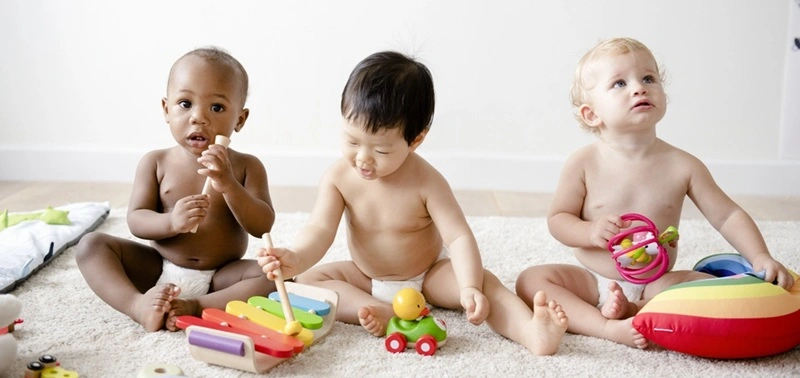
Why Sustainable toys Matter in Educational Toys
Sustainable toys influence far more than environmental outcomes. In learning environments, the quality and longevity of materials shape the way children interact with resources, build skills, and develop learning habits. Sustainable choices support stable, predictable experiences that help children feel confident and capable.
- Reduced sensory overload: sustainable toys often rely on simple, thoughtful design rather than lights, noise, or excessive decoration. This helps children process information more comfortably and supports steadier concentration during play.
- Calmer, more focused play: materials with natural textures, balanced shapes, and gentle colours create a grounded play experience. Children tend to stay with activities longer when the sensory environment feels predictable and not overwhelming.
- Supports inclusive play environments: sustainable toys tend to have simple, open designs that work well for children with diverse learning styles and sensory needs.
- Repeated and evolving use: toys designed with long-term value in mind continue to offer new challenges as children grow. An item that first supports simple exploration may later become a tool for problem solving, patterning, or imaginative play.
- Fits naturally into toy rotation systems: toys that hold up over time work well within rotation practices where materials are stored and reintroduced to renew interest. High-quality construction ensures toys remain appealing and intact through many cycles.
- Easy to pass down or share: durable materials and strong construction allow toys to move between siblings, classrooms, or community spaces without losing functionality.
- Less waste for families and schools: longer-lasting toys reduce the cycle of buying, breaking, and replacing. This supports more sustainable spending and helps learning environments maintain consistent, reliable resources. Supports intentional purchasing: sustainable toys encourage families and educators to choose fewer, higher-quality items, which helps reduce clutter and creates clearer play environments.
- Builds respect for resources: when children see toys that last and can be cared for, they reinforce ideas of responsibility, care, and mindful use.
Brands leading the way in sustainable toys
Brands with a sustainable toys range approach design with long-term value in mind. Their choices often reflect renewable materials, responsible production, low-waste packaging, and products that remain useful across multiple stages of development. These brands also tend to avoid short-lived novelty features, focusing instead on toys that support meaningful engagement and repeated use. The examples below highlight companies that demonstrate a consistent, transparent commitment to sustainability in both their materials and their manufacturing practices.
| Brand | Primary Sustainability Focus | Material Approach | Learning Context |
| Classic World | Renewable materials and responsible sourcing | Uses FSC-certified wood, non-toxic finishes, and reduced plastic content; emphasises lifecycle-conscious material selection | Ideal for early years, sensory exploration, and open-ended play where durability and natural textures support long-term use |
| eeBoo | Recycled materials and low-impact production | Uses recycled board, vegetable-based inks, and minimal packaging; prioritises environmentally responsible printing | Strong fit for puzzles, storytelling, memory games, and literacy activities that benefit from high-quality, repeatable use |
| Greenbean | Long-term usability and thoughtful material selection | Uses durable wood and mixed materials designed for lifespan rather than novelty; avoids single-use or disposable components | Works across early learning environments, independent play, and structured exploration due to stable, reliable construction |
| Le Toy Van | Ethical production and sustainable forestry | Uses FSC-certified wood, water-based paints, and controlled manufacturing environments with documented social standards | Well-suited for pretend play and role-play resources that pass through multiple developmental phases |
| Big Potato Games | Recycled and recyclable materials | Most products use recycled cardboard, compostable components, and minimal plastics; packaging designed for recyclability | Supports group play, early logic, and social skills with items that withstand repeated handling |
| Gibsons Puzzles | Recycled content and responsible printing | Uses high-recycled-content board and low-waste printing processes; focuses on longevity in puzzle structure | Useful for visual reasoning, patient problem-solving, and cognitive tasks that rely on repeated, structured engagement |
| TookyToy | Sustainable wood and simple, long-lasting design | Uses renewable wood sources, low-impact dyes, and purposeful construction that avoids unnecessary complexity | Fits well within early development, fine motor exploration, and long-term pretend-play settings |
| TopBright | FSC-certified materials and responsible production practices | Uses FSC wood and durable components that support extended use without degrading quickly | Works well in early learning classrooms and at home for repeated exploration and skill-building |
Sustainable Choices At Lets Learn Kidz
Sustainability at Lets Learn Kidz is tied to the idea that educational toys and resources should offer steady value over time. When toys are made with care, sourced responsibly, and designed to support repeated use, they become tools that children can return to with confidence. This kind of reliability strengthens independent learning because materials feel familiar, trustworthy, and ready for exploration across different stages of development. Sustainable brands help create play environments that are calm, organised, and grounded in purposeful design rather than fast-moving trends.
Lets Learn Kidz collaborates with vendors and international toy brands who prioritise long-term usefulness, ethical production, and thoughtful design. Our partnerships are built around a shared commitment to quality. Well-made sustainable toys contribute to smoother routines for families and educators, reduces unnecessary turnover, and supports children’s curiosity in consistent, practical ways. Working with brands that take sustainability seriously helps ensure that the resources in our collection remain relevant, durable, and genuinely supportive of a child’s learning journey.
Frequently Asked Questions
What are sustainable toys?
Sustainable toys are designed with long-term use, responsible materials, and reduced environmental impact in mind. It considers the full lifecycle of the product, from sourcing to durability to end-of-life options such as recycling, repair, or passing down to another child.
How can I tell if a brand uses responsible sourcing?
Responsible sourcing usually appears in a brand’s published information. Look for details about where materials come from, whether wood is certified, whether plastics are recycled, or whether the company offers transparency about its supply chain. Brands that follow responsible sourcing tend to share this information clearly rather than hiding it behind broad marketing claims.
Are recycled plastics safe and durable for educational use?
Yes. Recycled plastics used in children’s products must meet the same safety standards as new plastics. When manufactured responsibly, recycled plastic can be just as strong and durable, especially for toys designed for repeated handling or construction-based play.
Do wooden toys automatically count as sustainable?
Not necessarily. Wood is only sustainable when it comes from responsibly managed forests. If sourcing is unclear, wood can be just as environmentally damaging as poorly made plastic. Look for FSC certification or clear information about forestry practices.
What materials are safest for children’s toys?
Safe materials include FSC-certified wood, high-quality plastics that meet safety standards, food-grade silicone, natural fibres, and recycled board. Safety depends on testing, coatings, and manufacturing practices rather than the material alone.
Are recycled plastic toys safe?
Yes. Recycled plastic used in toys must pass strict safety regulations. Well-made recycled plastics are stable, durable, and safe for children, provided the manufacturer follows proper testing and compliance standards.
What should I look for in sustainable toy packaging?
Look for packaging that is recyclable, minimal, or reusable. Cardboard, paperboard, and vegetable-based inks are common sustainable options. Avoid products with multiple layers of plastic or unnecessary filler materials.
Do sustainable toys last longer?
Often they do. Sustainable brands typically prioritise stronger construction, repairable parts, and designs meant for years of use. Long-lasting toys reduce waste and stay relevant through different developmental stages.
Are eco-friendly toys worth the price?
Many families and learning environments find them worthwhile because they last longer, remain functional across multiple age groups, and reduce the need for frequent replacement. The upfront cost is often balanced by long-term use.
Which toy brands are truly sustainable?
Brands that demonstrate sustainability usually provide clear information about material sourcing, certifications, production practices, and long-term durability. Examples include Classic World, eeBoo, Le Toy Van, Gibsons, TookyToy, and other brands with verifiable commitments to responsible materials and ethical manufacturing.
How can I check if a toy is FSC certified?
Look for the FSC logo on the packaging or product description. Some brands list certification details on their website. FSC certification confirms that the wood used comes from responsibly managed forests.
What are the best sustainable toys for toddlers?
Toddlers benefit from simple, durable materials such as wooden blocks, shape sorters, puzzles, stacking toys, board books, and open-ended items made from safe, long-lasting materials. Sustainability here focuses on durability, non-toxic finishes, and materials that support repeated play.
How do I tell if a toy is nontoxic?
Non-toxic toys usually list information about paint, finishes, and testing standards. Look for clear references to EN71, ASTM, or similar safety certifications. Avoid products that do not specify testing or use vague claims like “safe materials” without details.
Are bio-based plastics better than regular plastics?
Bio-based plastics reduce reliance on fossil fuels, which can make them more sustainable. However, durability and overall product design matter just as much. A well-made traditional plastic toy may be more sustainable than a poorly designed bio-based one that does not last.
What certifications should sustainable toys have?
Common certifications include FSC for wood, EN71 or ASTM for toy safety, OEKO-TEX for textiles, and clear compliance statements for recycled materials. Certifications show that a product has met recognised environmental or safety standards.
What is the difference between eco-friendly and sustainable toys?
Eco friendly usually refers to materials or packaging with lower environmental impact. Sustainable toys take a broader view, considering durability, ethical production, long-term usability, and end-of-life options. A toy can be eco-friendly without being sustainable if it does not last or support long-term use.




0 Comments