
As a parent of a toddler, you’re dedicated to helping them learn basic literacy skills, and it’s natural to look for tools that can support this journey. Understanding how children learn to read and write is an important part of early development, but it doesn’t happen all at once or as quickly as we might hope.
Literacy skills develop gradually over time, through everyday experiences, play, and interaction. This often leads parents to ask: Do literacy toys help children read and write quickly, or do they support development in a different way?
We explore how literacy skills develop in early childhood and how toys and play-based activities can support each stage of that process. Keep reading to discover how the right tools can encourage language development, build confidence, and support your child’s learning journey over time.
Table of Contents
Benefits of Early Literacy Toys for child development
Early literacy skills develop gradually, and the way children engage with toys will naturally change as they grow from toddlers into early learners.
- Language development: Early literacy toys can help children develop their language skills, including vocabulary, grammar, and sentence structure. Toys that encourage conversation and storytelling can be especially helpful in this regard.
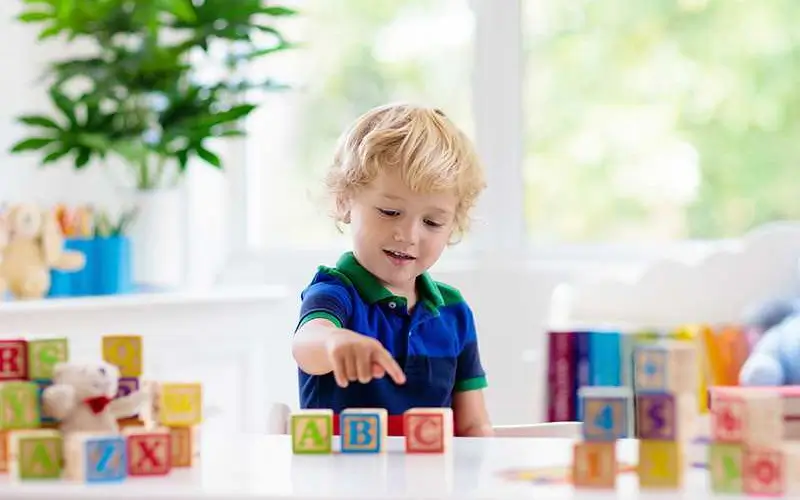
- Reading readiness: Toys that focus on letters, words, and phonics can help children develop the skills they need to become successful readers. These toys may include alphabet puzzles, letter blocks, and phonics games.
- Cognitive development: Early literacy toys can help children develop critical thinking and problem-solving skills, as well as improve their memory and concentration. Toys that involve matching, sorting, and categorizing can be particularly effective in promoting cognitive development.
- Socialisation: Playing with literacy toys can help children develop social skills, such as sharing, taking turns, and communicating with others. Cooperative games, such as those that involve storytelling or pretend play, can be especially beneficial in this regard.
- Confidence building: Early literacy toys can help children feel more confident in their abilities to read and communicate. Toys that allow children to practice reading and writing in a fun and engaging way can be particularly effective in boosting self-esteem.
- Creativity and imagination: Toys that encourage creativity and imagination, such as those that involve writing, drawing, or storytelling, can help children develop their creativity and imagination, which are important skills for both academic and personal success.
- Parent-child bonding: Early literacy toys can also help strengthen the bond between parents and children. Playing and reading together can create a special connection and provide an opportunity for parents to model good literacy practices and encourage a love of learning.
When little ones are exposed to these entertaining playthings, it sparks their imagination and encourages them to experiment with sounds, words, and patterns. This helps them become more confident in expressing their thoughts and feelings. Plus, it’s an excellent opportunity for parents and caregivers to bond with their wee ones while fostering a love for reading and learning that’s sure to last a lifetime. At each stage of development, children build on these experiences differently, from recognising sounds and words in the early years to developing more structured language and reading skills over time.
What to expect: literacy development by age
Toddlers (1–3 years)
Children begin recognising sounds, naming objects, and enjoying simple stories. At this stage, literacy is about exposure, repetition, and interaction rather than reading or writing.
Preschool (3–5 years)
Children start recognising letters, understanding that words carry meaning, and experimenting with early writing through drawing and mark-making.
Early school age (5–7 years)
Children begin connecting sounds to letters, forming simple words, and developing early reading confidence through practice and repetition.
Choosing the Right Literacy Toys for Early Learning
Choosing the right literacy toys becomes easier when you consider your child’s stage of development, as different ages benefit from different types of interaction and challenge.
It’s no secret that playtime is a crucial aspect of early childhood development, but not all toys are created equal. When it comes to choosing the right toys for your little one, it’s essential to keep in mind that the most effective learning tools are those that simultaneously ignite their imagination and engage multiple senses.
- Age appropriateness: Make sure the toy matches your child’s current stage of development. Toddlers benefit from simple, sensory-rich toys, while older children are ready for more structured literacy activities.
- Purpose: Decide what skill you want your child to learn from the toy. Some toys help with reading comprehension, others with phonics, and others with vocabulary. Knowing the purpose of the toy can help you narrow down your options.
- Interactive features: Look for toys that have interactive features such as buttons to push, sounds, and lights. These features can make the learning experience more engaging and fun for your child.
- Durability: Consider the durability of the toy. Children can be rough on their toys, so you want to choose a toy that can withstand some wear and tear.
- Personal interests: Choose a toy that aligns with your child’s interests. If your child is interested in animals, choose a toy that focuses on animals. If your child is interested in science and technology, focus on science kits and toys.
- Reviews: Read reviews from other parents to see what they have to say about the toy. This can help you get a better understanding of the toy’s strengths and weaknesses.
By considering these factors, you can choose the right literacy toy for your child that will help them develop their reading and language skills in a fun and engaging way.

Types of literacy toys for different stages of development
Different types of literacy toys support different stages of development, allowing children to build skills progressively as they grow.
There are many types of literacy toys that can help kids learn, including:
Alphabet puzzles: These puzzles help kids learn the letters of the alphabet and how to spell simple words.
Phonics flashcards: These flashcards teach kids how to sound out words and recognize common letter patterns.
Reading games: There are many games available that can help kids develop their reading skills, such as word matching games, sight word games, and sentence-building games.
Storybooks: Reading storybooks with your child can help them develop their comprehension skills, as well as their love for reading.
Writing and drawing boards: These boards allow kids to practice their writing and drawing skills, which are important for developing literacy.
Letter and number blocks: These blocks can help kids learn the letters of the alphabet and how to count.
Electronic learning toys: There are many electronic toys available that can help kids learn, such as interactive books, tablets, and educational apps.
Magnetic letter boards: These boards allow kids to spell out words and practice their letter recognition skills.
Word games: Games like Scrabble, Boggle, and Bananagrams can help kids develop their vocabulary and spelling skills.
Sight word flashcards: Flashcards that teach common sight words can help kids learn to read more fluently and confidently.
Literacy toys are a valuable tool for supporting early childhood development, but they work best when they align with a child’s stage of growth. Rather than speeding up the process, these toys support the gradual development of skills such as letter recognition, phonics, and vocabulary.
By making learning fun and interactive, literacy toys can help children build confidence and develop a natural interest in reading and writing over time. When matched to a child’s age and developmental stage, they become a meaningful part of the learning journey.
Literacy development is not only important at an individual level, but also across communities. In South Africa, concerns around early literacy continue to grow, with recent reports highlighting ongoing challenges.
Interesting read: Literacy crisis deepening in South Africa




0 Comments