
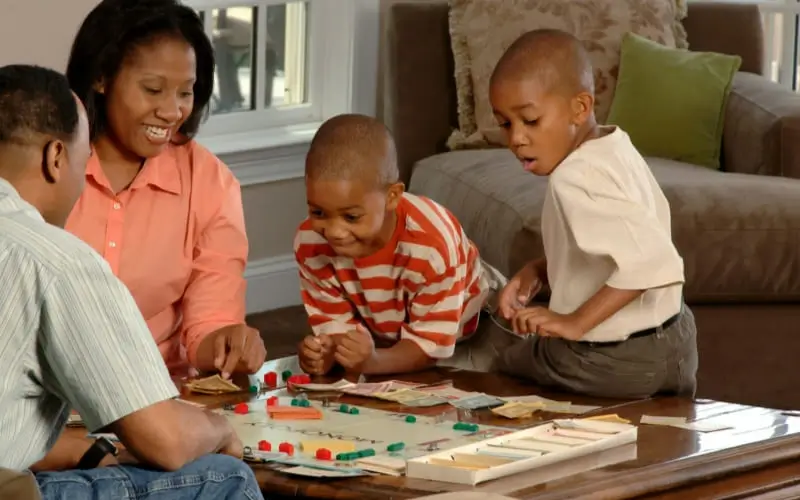
Tired of the endless screen saga with your kids?
You’re not alone.
Have you considered the magic of board games for kids?
Beyond the dice rolls and card flips lies a powerhouse for child development. Believe it or not, those game boards are more than just fun, they’re quietly supporting social, emotional, and educational growth in young minds.
Board games for kids aren’t just a trend; they’re timeless. Dating back to 3,000 B.C.E., they’ve evolved into powerful tools for learning, memory development, and meaningful family interaction.
Say goodbye to screen-time battles and hello to the board game revival, where play becomes connection, and fun becomes learning.
Table of Contents
Play meets life skills with board games
Board games for kids offer more than entertainment. They create opportunities for children to develop real-world skills through play. Board games are a simple way to support learning through play, helping children develop essential skills while having fun.
Insights often referenced by Harvard Business Review highlight how classic games like Monopoly build negotiation, creativity, teamwork, and resource management skills.
Even Reid Hoffman has spoken about the value of Settlers of Catan – a game that mirrors entrepreneurial thinking through collaboration, trading, and strategic adaptability.
Many board games reflect the same collaborative and problem-solving environments children experience in school, making them a natural extension of learning at home.
Benefits of board games for kids
In the hustle and bustle of modern life, finding time to connect as a family can feel like a challenge.
But here’s the reality, children don’t operate on our schedules. They connect through play.
Board games for kids offer a simple, low-effort way to bring families together. No elaborate planning is needed, just sit down, start a game, and let the interaction unfold naturally.
Communication mastery
Board games act as conversation catalysts. Whether children are explaining their moves, negotiating turns, or reacting to outcomes, each interaction helps develop clear communication and active listening skills.
Social confidence boost
Through repeated, relaxed social interactions, children become more confident in expressing themselves, sharing ideas, and engaging with others.
Building meaningful relationships
These moments go beyond skill-building. The laughter, friendly competition, and shared experiences become lasting memories that strengthen family bonds over time.
Understanding others and building awareness
Anticipating other players’ moves and recognising behaviours helps children develop a deeper understanding of how others think and respond which is an essential life skill.
Build memory, logic and reasoning
Board games for kids are powerful learning tools disguised as fun. They support cognitive development in ways that feel natural and engaging.
Games like Chess, Chutes and Ladders, Settlers of Catan, Monopoly, Cluedo, and memory matching games provide opportunities for children to:
- detect patterns
- plan strategically
- predict outcomes
- learn from experience
- Rule-conscious thinking
Board games help children understand the importance of rules and structure. From following instructions to making fair decisions, each game becomes a small lesson in responsibility and reasoning.
A brain gym for older kids and teens
Board games aren’t just for younger children. Strategy-based games support brain development in older kids and teenagers, strengthening planning, organisation, and decision-making skills.
Unplug, unwind and unleash
Board games offer a much-needed break from screens while supporting emotional well-being.
Stress reduction through play
Research suggests that board games can help reduce stress levels, even when gameplay is exciting. They provide a healthy way to unwind and shift focus away from daily pressures.
Laughter as a natural stress reliever
Laughter plays a powerful role in emotional health. Board games for kids naturally create moments of joy, helping to release endorphins and reduce anxiety.
Soothing anxiety through structure
The clear rules and predictable nature of board games can help children feel more secure in social settings. For anxious children, this structure makes interaction easier and more comfortable.
Cognitive benefits over time
Studies have shown that engaging in mentally stimulating activities — including board games — may support long-term cognitive health and reduce the risk of decline later in life.
Board games for kids as tools for building resilience
Board games create a safe space for children to experience both success and failure. An important part of emotional development. Through gameplay, children learn that mistakes are part of the process. Losing a turn or making a wrong decision becomes an opportunity to learn and try again.
Board games help children to develop resilience by:
- learning to cope with setbacks
- practising patience while waiting for their turn
- managing emotions during wins and losses
- developing a healthy sense of competition
These experiences support independent learning by helping children build confidence, make decisions, and develop the resilience to work through challenges on their own.
Top 5 board games for kids
Here are some classic board games that combine fun with valuable developmental benefits:
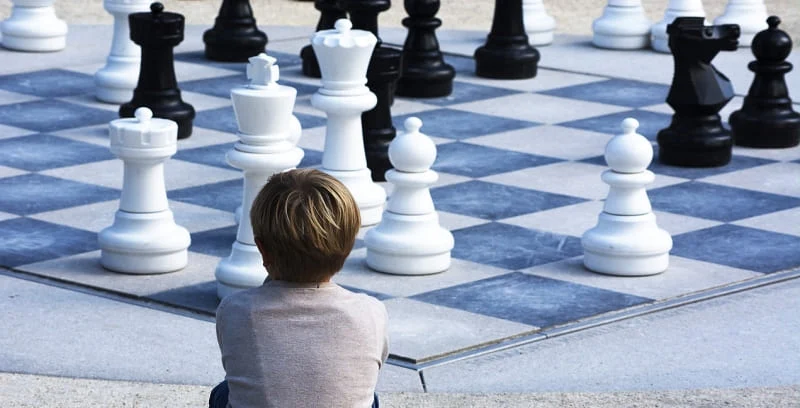
- Chess
Did you know that chess isn’t just about kings and queens?
Studies suggest that adept chess players have a knack for recognising and remembering specific configurations of chess pieces. - Checkers
It’s more than hopping over opponents’ pieces.
Checkers is a classic strategy game that keeps your mind on its toes, offering a mental workout that’s as entertaining as it is challenging. - Monopoly
Kids should play Monopoly because it offers valuable lessons in math, finance, and negotiation, all wrapped up in an engaging and competitive game. Through managing money, making strategic decisions, and engaging in transactions, children develop essential skills that are applicable in real-life situations, making Monopoly an excellent educational tool disguised as a fun board game. - Cluedo
Put on your detective hat! Cluedo isn’t just a murder mystery; it’s a game that sharpens your deductive skills and keeps you on the edge of your seat as you unravel the mysteries. Playing Cluedo can be beneficial for kids as it hones their deductive reasoning abilities, encourages logical thinking, and cultivates problem-solving skills. It’s an immersive experience that challenges players to analyse information, make informed decisions, and ultimately solve the mystery, making it an exciting and educational game for children. - Scrabble
Scrabble isn’t just about forming words; it’s a linguistic showdown where every triple word score feels like a triumph. Kids should play Scrabble because it’s an enjoyable way to enhance their vocabulary, spelling, and critical thinking skills. It encourages strategic thinking and fosters healthy competition, all while promoting learning in a fun and engaging manner.
Board games are more than just a way to pass the time. They are a powerful tool for learning through play and strengthening family connections.
They encourage children to think, communicate, solve problems, and build confidence all within a relaxed, enjoyable environment. Most importantly, they create shared moments. Moments of laughter, challenge, and connection that families carry with them long after the game is over.





0 Comments