
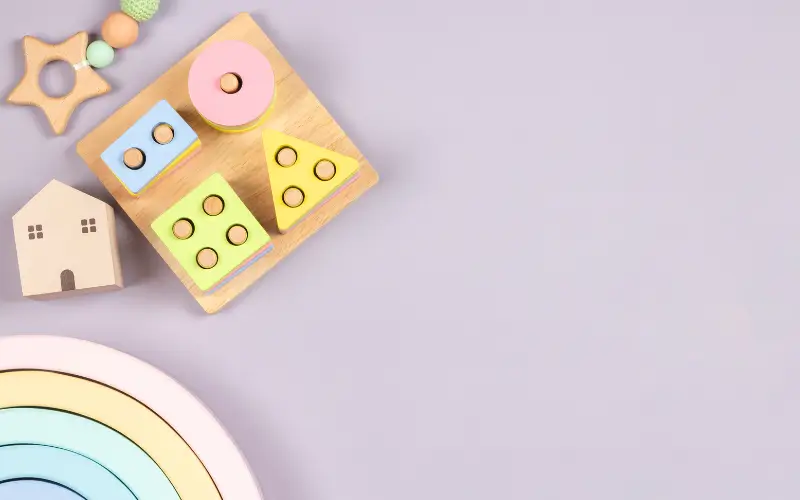
Parents today face shelves crowded with bright, blinking toys that promise to entertain and educate. Yet many of these plastic gadgets break easily, lose their appeal fast, and often end up forgotten in a box. For families who want toys that stay useful and meaningful, wooden toys still hold a special place.
Simple in design but rich in benefits, wooden toys encourage children to think for themselves, create stories, and use their hands in ways that help develop real-world skills. The feel of smooth wood, the gentle weight, and the sturdy build give children a direct, lasting connection to what they play with. Wooden toys remind us that sometimes the simplest option supports the strongest learning.
At Let’s Learn Kidz, we see wooden toys as part of a bigger purpose. They give parents and teachers practical tools that build on a child’s curiosity and invite active play, rather than encouraging passive watching. Good toys fill hours with play but also shape how children understand the world and how they grow into it.
Table of Contents
The Value Of Natural Toy Materials
Children spend hours holding, stacking, pulling apart, and studying their toys, so the material matters more than many people think. The feel, weight, safety, and even how a toy ages can shape how a child plays and how long that toy stays useful. For parents and teachers, choosing well-made materials can mean fewer throwaway items and more lasting value.
Natural Feel And Sensory Benefits
Children experience toys through senses such as touch, sound, and movement long before they understand instructions or screens. The smooth surface of wood gives a clear sense of shape and texture that helps build coordination. The weight of a wooden toy is heavier than plastic, so children learn to grip, lift, and balance. Even simple actions like tapping blocks together teach cause and effect and give a sound that feels familiar and steady.
This natural feel works well for open-ended play. Children can stack, sort, roll, and build in ways that plastic toys with buttons or lights often replace. For young children especially, this hands-on play helps develop fine motor skills and supports calm focus during playtime.
Health And Toxins
Materials matter for safety as well as play value. Some plastics can contain chemicals like BPA, phthalates, or other additives that many parents prefer to avoid, especially for babies who put toys in their mouths. While safety standards limit these substances, not every toy maker follows the same rules.
Quality wooden toys usually skip harsh chemicals altogether. Trusted brands use water-based paints, natural oils, or food-grade finishes that hold up to chewing, sucking, and rough handling. For parents, this means fewer worries about hidden ingredients and fewer questions about what might come off on little hands or find its way into a child’s mouth.
Environmental Impact
Every toy choice leaves a mark somewhere, whether in a household bin or a landfill. Wooden toys generally have a smaller footprint because they come from renewable sources and break down naturally when they can’t be used anymore. Many quality wooden toys are made from managed forests, and certifications like FSC help parents know the wood is responsibly sourced.
Plastic toys depend on fossil fuels and don’t decompose in the same way. Once a piece breaks or small parts go missing, the toy often ends up thrown away. Few plastic toys get recycled because they mix different plastics and small parts, which makes sorting costly. Choosing wooden toys means less waste over time and fewer short-lived items filling up storage bins and rubbish bags.
Variety And Design
Plastic toys often catch the eye with bright lights, buttons, and sound effects. These features can hold a child’s attention for a short time but may limit how the toy can be used. Once the batteries run out or the novelty wears off, the toy may get set aside.
Wooden toys tend to focus on simpler shapes and open-ended design. Blocks, puzzles, and pretend play sets leave space for children to decide how they want to play. This kind of variety supports creativity because the toy doesn’t do all the work. Instead, children imagine new games, build different structures, and find fresh ways to use the same pieces each time they play.
Cost And Availability
Plastic toys are usually easy to find and cost less upfront, which makes them tempting for quick buys or stocking up on birthday gifts. The lower price comes from mass production and cheaper raw materials, but many of these toys have a short life. Parts snap off, batteries run out, or the toy simply loses appeal once the novelty fades.
Wooden toys often cost more at first, but the value shows over time. A well-made wooden puzzle or stacking toy can handle rough handling and still work as it should years later. Many families find that buying a few sturdy wooden toys means less clutter and fewer repeat purchases. It can be worth paying slightly more once instead of replacing cheaper toys every few months.
Local vs Imported Toys
Where a toy is made can shape its total impact. Many wooden toys come from small workshops or regional makers who use local timber and simple processes. This can reduce the distance toys travel before they reach a shop shelf, which helps cut down on transport emissions and extra packaging.
Plastic toys are often produced in large factories overseas and shipped in bulk. The journey from factory to store can add to the environmental cost, especially when toys are wrapped in layers of plastic or packed in boxes with unnecessary filler. For families who want to support local jobs and reduce transport waste, choosing wooden toys from trusted local makers can be one small step that adds up.
Durability And Long-Term Play
Children test toys in ways that few other household items endure. They toss them down stairs, bury them in the garden, chew on corners, and forget them outside overnight. Because of this, the material and build quality of a toy directly shape how long it stays safe and useful.
How Wooden Toys Handle Wear And Tear
Wood has a natural strength that helps it handle bumps, drops, and general rough play. Unlike thin plastic that can crack clean through, solid wood tends to dent instead of breaking apart. A wooden train or stacking block may end up with scuffs or small dents, but these marks rarely affect how the toy works.
For example, wooden building blocks can get knocked together thousands of times without losing their shape. A plastic track set, in contrast, can snap if stepped on or bent too far. Small details like sanded edges and tight joints also help wooden toys stay sturdy, even when handled by toddlers still learning gentle play.
Passing Toys Down Through Generations
Many families keep a wooden toy long after a child outgrows it. It’s common to see classic wooden blocks, dollhouses, or push toys move from one sibling to the next. Some become keepsakes, stored in a box until the next baby in the family is ready. In this way, a simple toy becomes part of family memories, connecting older children and new ones through shared play.
This lasting value is different from plastic toys built for trends or licensed characters, which may lose appeal quickly when a child’s interest shifts.
When Wooden Toys Break
No toy is indestructible. Even thick wood can crack if thrown hard enough or exposed to water over time. The advantage with wood is that many repairs can be done at home. Sanding down a rough edge, tightening a loose wheel, or sealing a small split with non-toxic wood glue can give the toy a second life.
Plastic toys often cannot be fixed once internal clips or hinges break. A cracked plastic piece can create sharp edges or become unsafe altogether, which usually means it goes straight in the bin. Wooden toys, on the other hand, offer simple repairs that keep them in play and out of landfill for longer.
Sustainability in Wooden Toys
How a toy is made and what happens to it when it’s no longer needed both affect its impact on the environment. For families trying to cut down on waste and choose items with a lighter footprint, wooden toys stand out for practical reasons.
Sourcing Sustainable Wood
Not every wooden toy is automatically good for forests. Responsible toy makers choose wood from well-managed sources, often certified by the Forest Stewardship Council (FSC) or similar groups. This means the wood comes from forests where trees are replanted and wildlife habitats are protected.
Common choices include beech, maple, and bamboo. Bamboo is popular because it grows back quickly and can be harvested without replanting every tree. Some brands also use reclaimed or recycled wood, turning old materials into new toys instead of cutting fresh timber.
Non-Toxic Paints and Finishes
The paint and finish on a toy matter as much as the wood itself. Many good brands use water-based paints that meet safety standards for children’s products. These coatings are free from heavy metals and harsh chemicals that could chip off during play.
A simple non-toxic oil or wax finish protects the wood while keeping its natural look and feel. This is helpful for toys that spend time in little mouths or get handled every day.
Packaging and Waste Reduction
The way toys are packed and shipped can add hidden waste to the purchase. Wooden toy brands often aim for simple, recyclable packaging without layers of plastic wraps or twist ties. A plain cardboard box that can go into the recycling bin makes a small difference for families trying to reduce household waste.
Over time, choosing wooden toys means fewer cheap, short-lived items going to landfill. A sturdy wooden puzzle or block set can be used by multiple children and still hold up, which naturally lowers the number of toys thrown out each year.
Safety Features Of Wooden Toys
Safety is always part of choosing toys for children. A good toy should stay reliable through everyday handling, play, and cleaning. The material, design, and small details all help lower risks so parents can feel comfortable about what their children use.
Common Safety Features
Well-made wooden toys are shaped and finished with care to avoid sharp edges or splinters. Rounded corners help protect little hands and mouths. Solid construction holds pieces together firmly so small parts do not come loose during play. Many wooden toys have simple shapes that are easy to inspect and clean, which helps keep them in good condition over time.
How To Check For Quality
Parents can check a toy’s surface by feeling for rough spots or cracks that might form with use. Paint should stick well to the wood without flaking or peeling when scratched. A toy that looks sturdy at first should stay that way after being handled, stacked, or dropped. Checking the size also matters. Toys should match a child’s stage so small pieces do not pose a risk for younger children who still explore by putting objects in their mouths.
Clear product details can help parents choose wisely. Labels often show what finishes or paints have been used and give the recommended age range. Well-known makers usually share this information openly so buyers know exactly what they are bringing home.
Standards And Certifications
Safety marks on packaging help parents trust what they are buying. Labels like EN71 in Europe or ASTM in the United States confirm that toys meet tested standards for children’s products. These checks cover many areas, including the size of parts, levels of lead or other heavy metals, and how securely pieces stay attached. Many wooden toy brands display these labels so parents know the toy has been checked for everyday play.

Recommended Wooden Toys
Families often look for toys that match a child’s age and stage of learning. Wooden toys cover a wide range, from simple shapes for babies to building sets and creative kits for older children. Choosing a few good examples can help support daily play and skill building at home or in the classroom.
For Babies And Toddlers
The youngest children benefit from toys that fit small hands and build basic motor skills. Simple rattles, teethers made from untreated wood, and stacking rings encourage gripping, shaking, and exploring. A small wooden push toy helps with balance once children begin walking. Natural materials feel good against gums and skin, giving babies safe ways to explore texture.
For Preschool And Early Learning
As children grow, puzzles and building blocks help develop problem-solving and fine motor skills. Wooden shape sorters, nesting boxes, or simple peg boards encourage sorting by size, color, or shape. Pretend play sets like toy kitchens or tool benches give children space to act out daily life and build language and social skills. Many families keep a set of classic wooden blocks on hand because they stay useful for years.
For Older Kids
Older children enjoy toys that challenge their building, planning, or storytelling skills. Wooden construction kits, train sets, or STEM-focused sets add more parts and ideas for open-ended projects. Dolls or figures carved from wood can work with fabric houses or homemade scenery, which helps older children create new games and stories over time. A few sturdy pieces often become part of family play or school projects for years.
How To Care for Wooden Toys
Looking after wooden toys helps them stay safe and useful for many years. A few simple habits can keep surfaces clean, protect the finish, and prevent damage from daily play or storage.
Cleaning Do’s And Don’ts
Regular cleaning helps wooden toys stay free from dust, crumbs, or sticky fingerprints. A soft cloth slightly dampened with water usually works well for wiping surfaces. For marks that need more care, a mild soap can be added, but harsh chemicals should be avoided as they can wear away paint or finishes.
Toys should not be soaked in water or left damp for long periods, as moisture can cause wood to swell, crack, or warp. After wiping, toys should be dried fully with a clean cloth and left in an open space to air out.
Storage Tips
Proper storage helps wooden toys hold their shape and color. Keeping toys in a dry, shaded space protects them from excess heat or humidity. Open baskets or shelves work well because they allow air to move around the toys and make it easy for children to reach their favorites.
Rotating toys in and out of reach every few weeks can also keep play fresh. This helps prevent overuse of just one item and spreads wear evenly across different toys.
When To Retire Or Upcycle
Even durable toys reach the end of their life at some point. Small cracks or chips can often be repaired with light sanding or child-safe wood glue. If a toy becomes unsafe or too damaged, pieces can sometimes be repurposed for crafts or decorations. Many families find creative ways to reuse parts instead of throwing them out completely.
Shop At Let’s Learn Kidz
Finding the right wooden toys can feel easier with trusted options in one place. Let’s Learn Kidz offers a selection that supports different ages, skills, and ways to play. Families can choose items for babies learning to grasp, preschoolers building early puzzles, or older children exploring more detailed sets.
Brands We Carry
Our wooden toys come from brands known for using safe materials and thoughtful designs. Many use certified wood, non-toxic paints, and sturdy construction that stands up to daily play. Each toy is chosen to help families invest in pieces that hold value over time.
How To Choose The Right Toy
When picking a wooden toy, it helps to think about the child’s age, interests, and what skills the toy might support. Open-ended toys like blocks or construction sets stay useful longer because they grow with a child’s changing ideas. Smaller items like rattles or shape sorters can help babies and toddlers develop grip and problem-solving skills.
Delivery And Support
Orders are packed carefully to protect each piece during shipping. Clear delivery options, simple returns, and customer support help families shop with confidence. Questions about materials, ages, or care are welcome any time.
Frequently Asked Questions
Are Wooden Toys Worth The Money?
Many families see wooden toys as a better investment because they last longer and hold up well through years of play. A simple set of blocks or a sturdy puzzle can stay in good shape for more than one child. This often means fewer replacement toys and less clutter over time.
Why Are All Montessori Toys Wooden?
The Montessori approach uses real, natural materials to help children focus on touch, shape, and movement. Wooden toys offer clear textures and gentle weight that support careful handling and focus. Many Montessori classrooms include wooden stacking toys, puzzles, and practical life tools that help children build real skills without distractions.
Is There A Demand For Wooden Toys?
Families, teachers, and therapists continue to choose wooden toys for their durability, safety, and smaller environmental footprint. Many parents look for toys with non-toxic finishes and simple designs that help children stay engaged.
How Do I Know If A Wooden Toy Is Safe For Babies?
Check for smooth edges and surfaces, safe finishes, and parts that are large enough not to be swallowed. Labels often show recommended ages, and trusted brands share details about the paints or oils they use.
What Types Of Wood Are Used In Children’s Toys?
Beech, maple, rubberwood, and bamboo are common choices because they are strong, long-lasting, and often come from managed forests. These woods handle dents and rough handling well and stay safe to touch and hold.
Do Wooden Toys Need Special Care?
A damp cloth usually keeps wooden toys clean. Harsh chemicals should be avoided. If a toy becomes rough with age, light sanding and a bit of food-safe oil can restore its surface.
Are Wooden Toys Good For Outdoor Play?
Some toys can go outside but should not stay there for long periods. Sun, rain, or damp weather can cause wood to crack or warp. Bringing toys indoors after outdoor play keeps them in good condition.
Why Do Wooden Toys Cost More Than Plastic Ones?
Better materials, careful craftsmanship, and safe finishes add to the cost. Many wooden toys are made in smaller batches, which supports higher quality but raises the price compared to mass-produced plastic toys.
Can Wooden Toys Be Recycled?
Untreated wood can break down naturally, but toys with paints or varnishes should be reused or repurposed instead of composted. Some families turn old pieces into crafts or keep parts for decoration if a toy is too worn for play.




Bookmarked for future inspiration!