
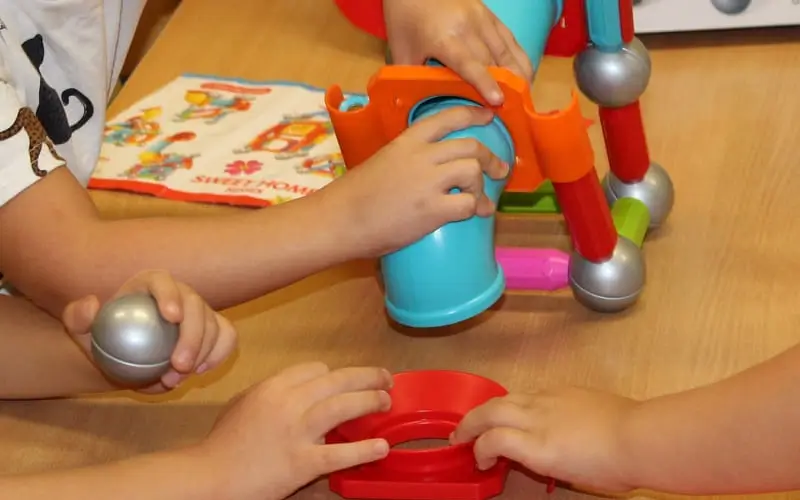
Many parents wonder why educational toys are important for child development. Educational toys have long played an important role in helping children develop cognitive, social and physical skills through play.
In today’s rapidly changing world, educational toys are more important than ever. Children are growing up in an environment shaped by technology, innovation and increasing complexity. Preparing them for this future begins long before formal schooling starts.
The most beneficial educational toys encourage curiosity, creativity and problem-solving. These abilities develop naturally when children explore, experiment and discover through play. By introducing age-appropriate educational toys early in life, parents and caregivers can help children build the confidence and skills they will use throughout their lives.
Educational toys support learning in ways that feel enjoyable and engaging, making them one of the most effective tools for early childhood development.
Table of Contents
What are educational toys?
Educational toys are toys designed to support learning while children play. They encourage exploration, imagination and experimentation while helping children develop important skills.
While many toys offer some learning benefits, the best educational toys are intentionally designed to challenge children in age-appropriate ways. They help develop skills such as problem-solving, creativity, social interaction and physical coordination.
Educational toys often support learning in areas such as:
• problem-solving and logical thinking
• creativity and imagination
• social and emotional development
• motor coordination and physical skills
• early science, technology, engineering and mathematics (STEM) thinking
Because these toys combine learning with enjoyment, children engage with them naturally and often for longer periods of time.
Why educational toys are important for child development today
Children today will grow up in a world that looks very different from previous generations. Technology continues to evolve rapidly, and many future careers will require adaptability, creativity and critical thinking.
Educational toys help children begin developing these abilities from an early age. Through hands-on play, children experiment with ideas, build structures, test solutions and explore new possibilities.
These experiences help children become comfortable with learning, problem-solving and innovation. When children learn through play, they also develop confidence in their ability to try new things and overcome challenges.
This early confidence becomes a strong foundation for future learning and development.
Educational toys as building blocks for future success
Educational toys support several key areas of development that influence how children learn and interact with the world around them.
Foundational thinking skills
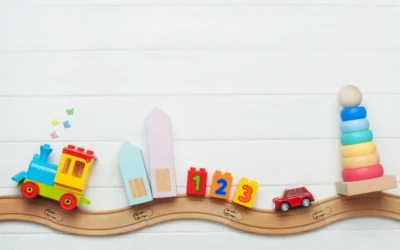
Many educational toys encourage children to explore patterns, shapes and logical relationships. Puzzles, building sets and construction toys help develop spatial awareness and problem-solving skills.
These activities also introduce early concepts related to science, technology, engineering and mathematics. By experimenting with structures and patterns, children begin to understand how things work and how different pieces fit together.
Social and emotional development
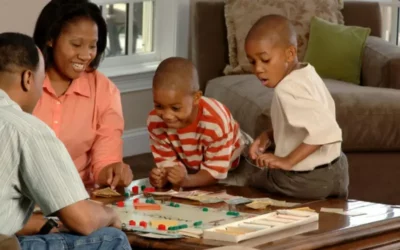
Play often involves cooperation and interaction with others. Educational toys that encourage group play help children practise communication, sharing and teamwork.
These experiences help children develop emotional intelligence, empathy and resilience. Learning to work with others and manage emotions is an important part of healthy development.
Creativity and imagination
Creative thinking plays a vital role in innovation and problem-solving. Toys that allow children to build, design or invent their own creations encourage imagination and experimentation.
Open-ended toys are particularly valuable because they allow children to explore ideas in multiple ways rather than following a single set of instructions.
This freedom encourages independent thinking and creative exploration.
Physical development and coordination
Educational toys also support physical development. Toys that require children to manipulate objects, stack pieces or assemble components help strengthen fine motor skills and hand-eye coordination.
These skills are important for activities such as writing, drawing, sports and many forms of creative expression. Developing these abilities early helps children feel more confident as they explore new activities.
Early learning advantages of educational toys
Children benefit greatly from stimulating learning experiences during their early years. Educational toys introduce important concepts in ways that feel natural and enjoyable.
For example, construction toys allow children to explore shapes, balance and structures long before they encounter these ideas in formal mathematics lessons.
These playful experiences help children build curiosity and confidence while encouraging them to explore new ideas. When children enjoy learning, they are more likely to remain curious and motivated throughout their education.
Choosing the best educational toys for children
Not all toys provide the same developmental benefits. The most effective educational toys share several important characteristics.
They are:
• age-appropriate and suited to the child’s developmental stage
• engaging and enjoyable
• open-ended, allowing multiple ways to play
• capable of growing with the child as their skills develop
Toys that can be used in different ways over time often provide the greatest learning value. As children grow, they can explore more complex ideas using the same toys. This encourages deeper learning and continued creativity.
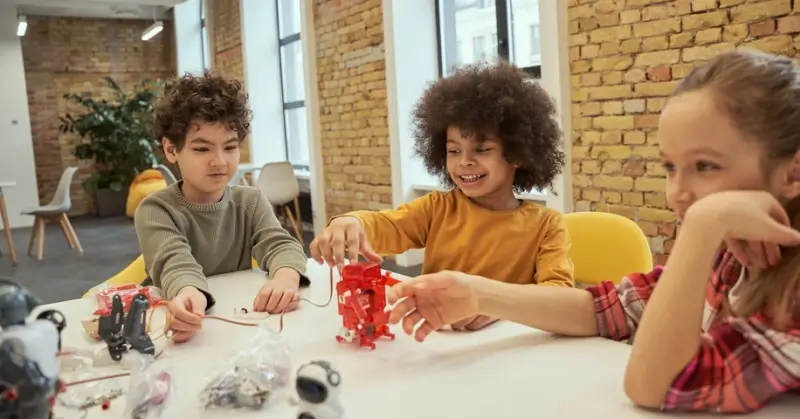
Learning through play
Play is one of the most powerful ways children learn. When children are engaged and enjoying themselves, they naturally explore, experiment and discover new ideas. Educational toys support this process by encouraging hands-on learning. Instead of simply being told how something works, children learn by building, testing and adjusting their ideas.
This type of active learning helps children develop confidence, curiosity and a love of discovery. Through learning by play, children build important cognitive, social and physical skills that support their development both in school and later in life. By choosing age-appropriate toys that encourage creativity, exploration and problem-solving, parents and caregivers can help children build a strong foundation for lifelong learning.
In a rapidly evolving world, these early experiences matter more than ever. The children who learn to imagine, build, question and experiment through play today are the ones most likely to become the thinkers, creators and innovators of tomorrow. Understanding why educational toys are important for child development helps parents choose toys that support learning, creativity and confidence from an early age.
Frequently asked questions about educational toys
What makes a toy educational?
Educational toys are toys designed to support learning while children play. They encourage exploration, imagination and experimentation while helping children develop important skills.
Educational toys have also changed significantly over time as our understanding of child development has evolved. You can explore this in our article on the evolution of educational toys.
Why are educational toys important for children?
Educational toys help children build essential cognitive, social and physical skills. Through play, children explore ideas, solve problems and develop confidence in their ability to learn and create.
At what age should children start using educational toys?
Children can begin using educational toys from infancy. Simple toys that encourage sensory exploration and movement are suitable for babies, while toddlers and older children benefit from toys that encourage building, creativity and problem-solving.
Do educational toys really make a difference?
Educational toys can have a meaningful impact because they encourage active learning. When children experiment, build and explore through play, they develop curiosity, independence and critical thinking skills that support future learning.




0 Comments