
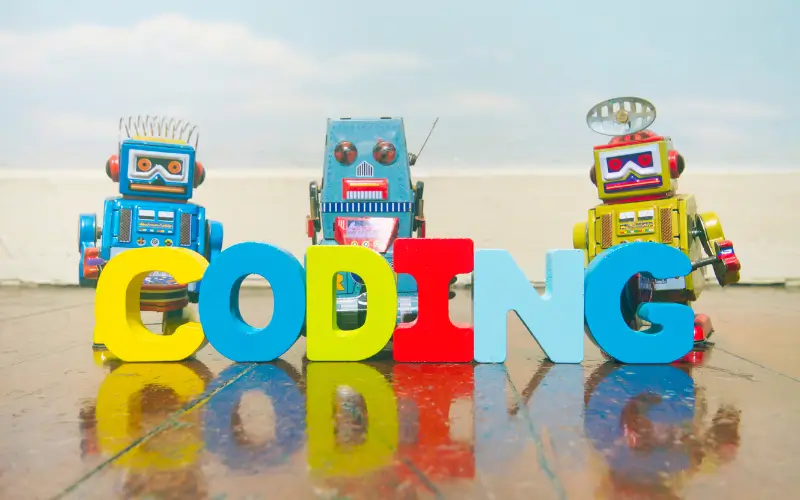
Technology is now woven into almost every part of daily life, from the way children learn to how they play and explore. Coding toys bring these worlds together, introducing programming ideas through creative, hands-on play. They make abstract concepts such as sequencing, logic, and commands tangible, helping children see how instructions lead to results they can watch unfold.
For parents and caregivers, coding toys provide a practical and enjoyable way to nurture curiosity and learning. Whether children are building robots, arranging coding blocks, or using simple digital tools, they begin to understand how systems think and respond. This early exposure builds confidence, problem-solving ability, and a foundation for understanding technology as it continues to shape the future.
Table of Contents
What Are Coding Toys
Coding toys are interactive learning tools that introduce children to the basic principles of programming. They use play-based methods to represent core coding ideas such as sequencing, logic, and commands in a format that is accessible and engaging. Instead of typing code, children might build with blocks, use colour-coded cards, or press buttons to create a series of instructions. These activities provide a concrete way to understand how computers follow ordered steps to achieve a specific outcome.
By translating abstract coding concepts into physical play, coding toys help children see how technology operates. Each action they program, such as making a robot move forward or turning on a light, demonstrates the link between instruction and result. This cause-and-effect structure forms the foundation for understanding how software, devices, and digital systems work.
Types of Coding Toys
Coding toys come in a range of forms, each designed to teach different aspects of programming:
- Screen-free coding toys use tangible pieces like tiles, blocks, or cards to teach logic, sequencing, and pattern recognition without relying on a device. These are ideal for younger children or early learners.
- Programmable robots respond to commands through buttons, cards, or Bluetooth connections. They often include sensors, lights, and sounds that react to input, helping children see how coding drives movement and interaction.
- App-connected kits combine physical building elements with a digital platform. Children can assemble a robot or gadget and then control it using an app, applying more advanced coding concepts such as loops or conditionals.
- Hybrid learning sets mix traditional construction with coding principles, such as building structures that can move or react once programmed. These often provide opportunities for more open-ended exploration.
How Coding Toys Work
Every coding toy operates on the same basic concept: an input, a process, and an output. The child gives an instruction (input), the toy interprets that instruction according to a set of rules (process), and the toy produces a visible or audible reaction (output).
For example, a robot programmed with a sequence of colour tiles might move forward on green, turn on yellow, and stop on red. The toy reads the order of tiles, converts each colour into a specific command, and performs the actions one by one. Through this simple process, children begin to understand that coding is about creating instructions a system can follow precisely.
This hands-on interaction lays the groundwork for understanding more complex systems later in life. By experimenting with sequences and outcomes, children learn how logical structure and clear instructions shape the behavior of technology.
Learning Value of Coding Toys
Coding toys combine structured logic with open exploration. Through hands-on play, children learn to plan, test, and refine ideas while gaining confidence in their own reasoning. Research has shown skills developed through coding toys reach into many aspects of learning and daily life.
| Skill | How Coding Toys Support It | Observable Outcome |
| Critical Thinking | Encourages children to test, compare, and refine instructions until they achieve the right result. | Children begin to question why outcomes occur, showing stronger reasoning and attention to detail. |
| Problem Solving | Requires identifying where a sequence went wrong and deciding how to fix it. | Children become more persistent, approaching challenges step by step instead of giving up quickly. |
| Creativity | Offers open-ended possibilities where children can design new programs or customise how their toys behave. | Children start experimenting more freely and expressing original ideas. |
| Innovation | Invites exploration through trial, observation, and iteration. | Children learn to approach new tools or technologies with curiosity and confidence. |
| Resilience | Uses trial and error as part of normal play, showing that mistakes are part of learning. | Children recover faster from frustration and develop patience when tasks don’t work immediately. |
| Collaboration | Many coding activities encourage teamwork, with children building or programming together. | Children practice sharing ideas, listening, and working cooperatively toward a shared goal. |
| Communication | Coding requires explaining logic and sequence clearly to others or to the toy itself. | Children learn to describe processes, give instructions, and articulate reasoning more effectively. |
| Spatial Reasoning | Programming movement or mapping out sequences helps children visualise space and direction. | Children improve their ability to plan routes, predict movement, and think in three dimensions. |
| Digital Literacy | Interaction with technology introduces safe, responsible, and purposeful use of digital tools. | Children gain early familiarity with how technology functions and how to use it constructively. |
A Foundation for an AI Future
Technology continues to shape how we live, work, and communicate. Helping children understand the logic behind it gives them a foundation to engage with the digital world confidently. Coding toys create this foundation by turning complex ideas into simple, hands-on play. Through commands, patterns, and sequences, children begin to understand how machines follow instructions and make decisions.
Learning these principles early builds familiarity with concepts that underpin artificial intelligence and automation. When children experiment with coding toys, they are essentially learning how systems process information, recognise patterns, and respond to data. This prepares them to think critically about how technology operates rather than simply using it.
The goal is not to turn every child into a programmer but to help them develop adaptable, analytical, and creative thinking. These abilities will remain valuable in any future shaped by AI and emerging technologies.
Popular Categories of Coding Toys
Coding toys come in many forms, each introducing programming ideas in a different way. Some focus on tactile play and exploration, while others guide children toward structured coding concepts. Together, they offer a broad range of options to match a child’s interests and stage of learning.
Robotics Kits
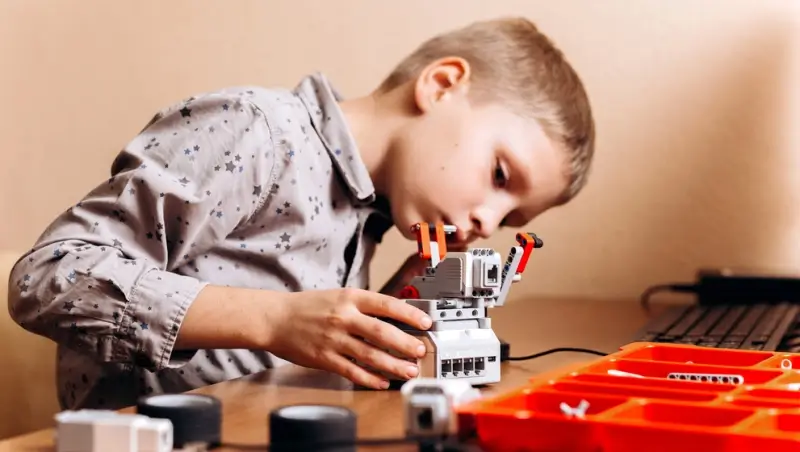
Robotics kits invite children to build and program their own moving creations. By assembling motors, sensors, and circuits, they learn how mechanical and digital systems interact. These kits promote logical sequencing while also encouraging experimentation through physical design and motion.
Block-Based Coding Toys
Block-based systems use colour or shape-coded pieces, digital or physical, to represent programming commands. Children combine them to form sequences that control characters, lights, or robots. The visual layout makes it easy to understand how coding functions connect, building confidence before more advanced coding languages are introduced.
App-Based Robots and Drones
App-connected robots and drones blend digital coding with physical interaction. Using a tablet or smartphone, children can program direction, speed, and behavior, then immediately watch the results unfold. This connection between digital command and real-world response strengthens understanding of control systems, spatial awareness, and hand–eye coordination.
Coding Board Games and Unplugged Coding Toys
Screen-free options translate coding logic into hands-on challenges. Children use cards, tiles, or grids to guide characters through mazes or complete logical puzzles. These games make abstract coding ideas visible, supporting teamwork and communication while offering a practical balance to digital learning.
Subscription or Modular Kits
Subscription and modular sets grow with the learner. Each installment introduces new parts or concepts, allowing children to progress naturally from simple to more complex tasks. This gradual approach maintains engagement and supports long-term learning through continuous discovery.
Key Features to Look for in Coding Toys
When choosing a coding toy, consider features that balance enjoyment with learning value. The right combination helps children stay engaged, build confidence, and progress over time.
- Age and Skill Level: toys should match the child’s stage of development. Younger learners benefit from simple, tactile designs that teach cause and effect, while older children may prefer robots or app-based systems that introduce more complex coding logic.
- Hardware and Software Integration: a well-designed toy connects sturdy physical components with user-friendly software. Smooth interaction between the two helps children focus on coding rather than troubleshooting connectivity issues.
- Feedback and Guidance: immediate responses such as lights, sounds, or movement show children how their code affects behavior. Clear instructions, visual cues, and tutorials further support independent learning.
- Expandability and Longevity: toys with modular parts, add-ons, or upgradable features grow with the child’s skills. This adaptability keeps play fresh and supports steady learning progression.
- Safety and Quality: choose toys made from durable, non-toxic materials that can withstand regular use. For connected devices, select reputable brands that prioritise privacy and data security.
Invest in Your Child’s Future with Let’s Learn Kidz
At Let’s Learn Kidz, play and learning go hand in hand. Each resource in our collection is chosen to inspire exploration, build confidence, and nurture a lifelong interest in discovery. Our coding toys introduce technology in a way that feels approachable and engaging, giving children the chance to learn by doing rather than just observing.
Every child develops at a different pace, and our range supports that individuality. From early learners exploring basic cause and effect to older children experimenting with coding sequences and robotics, each toy encourages progress through curiosity and hands-on experience. Choosing tools that combine fun with learning helps children develop problem-solving, logical reasoning, and creative thinking, skills that form the foundation for future success in a digital world.
Frequently Asked Questions
What age is best to start introducing coding toys?
Children can begin using simple coding toys as early as age three. For toddlers and preschoolers, screen-free toys that focus on sequencing and cause-and-effect are ideal. From about age six, children can move on to block-based coding or simple robots that follow commands. Older children, around eight and above, can begin exploring app-based programming or modular kits that introduce logic, loops, and sensors.
Do children need to know how to read before using coding toys?
Not necessarily. Many beginner coding toys use pictures, colours, or shapes instead of text, allowing children to learn through pattern recognition and visual instructions. Toys designed for pre-readers teach the logic behind coding without relying on written language. Reading becomes more useful once children begin using app-based or text-based coding platforms.
Are coding toys educational or just a trend?
Coding toys are a valuable educational resource. They teach early problem-solving, logical thinking, and planning skills that align with STEM learning objectives. While their popularity has grown with the rise of technology in schools, the educational benefits are lasting. Coding toys help children understand the systems behind the devices they use every day.
How do coding toys actually teach programming?
Coding toys translate coding principles into hands-on actions. Children give instructions—by pressing buttons, arranging blocks, or selecting commands in an app—and then observe how those instructions produce specific outcomes. This process introduces sequencing, conditionals, loops, and debugging in a way that feels like play. Over time, children begin to understand how digital systems follow step-by-step logic to complete tasks.
What skills do children learn from coding toys besides coding?
Beyond programming, coding toys strengthen critical thinking, creativity, and perseverance. They encourage experimentation, teamwork, and spatial awareness. Children learn to plan, predict results, and adjust when something doesn’t work as expected. These experiences help build focus, adaptability, and resilience—skills valuable in school and daily life.
Are coding toys suitable for both boys and girls?
Yes. Coding toys are designed for all children and promote universal skills like logic, creativity, and collaboration. Interest in technology develops through exposure and encouragement, not gender. Offering both boys and girls equal access to coding play helps bridge the gender gap that still exists in technology-related studies and careers.
Can coding toys help reduce screen time?
They can, depending on the toy. Screen-free coding kits, board games, and physical robots allow children to learn coding principles through tactile play instead of digital devices. Even when using app-based toys, the focus is on interactive, goal-oriented problem-solving rather than passive screen use.
What’s the difference between screen-free coding toys and app-based ones?
Screen-free toys use cards, tiles, or buttons to represent coding commands and are best for early learners or group play. App-based toys connect to tablets or phones, allowing for more complex programming and immediate digital feedback. Both types teach the same core principles, but app-based versions often introduce advanced logic, loops, and customisation options.
How much should I spend on a good coding toy?
Quality coding toys generally range from about $40 to $200, depending on complexity and included components. Simple screen-free sets are usually more affordable, while programmable robots or modular kits cost more due to their sensors and connectivity. Choosing a toy that can grow with the child’s ability often provides the best long-term value.
Are coding toys safe for younger children?
Yes, as long as they’re age-appropriate and from reputable brands. Toys for children under six should have large, sturdy parts and no small detachable pieces. For app-connected products, parents should check privacy policies and avoid toys that require personal data or online accounts for basic play.
How can I tell if a coding toy matches my child’s learning level?
Check the manufacturer’s age recommendation and look at how the toy presents challenges. If your child easily completes tasks without experimenting, it may be too simple. If they become frustrated quickly, the toy might be too advanced. Many brands label their toys by beginner, intermediate, and advanced stages to help match abilities.
Do I need to know how to code to help my child use these toys?
No. Most coding toys are designed to be self-guided with clear instructions and visual cues. Parents can assist by encouraging exploration, asking open-ended questions, and helping children think through problems. Many toy makers also provide short tutorials, printable guides, or online videos for extra support.
What kind of maintenance or updates do app-based coding toys need?
App-connected toys may require occasional software or firmware updates to maintain compatibility with devices. These updates typically add new challenges or improve performance. Parents should also check battery levels or charging requirements regularly. Internet access is usually needed for updates but not for everyday play.
Can coding toys be used in classrooms or therapy settings?
Yes. Educators often use coding toys to teach logical thinking and teamwork through interactive projects. Therapists may use them to build attention, fine motor control, and turn-taking skills. The mix of creativity, problem-solving, and structure makes coding toys suitable for various learning environments.
How can I keep my child interested once they’ve mastered the basics?
Choose toys with expandable parts, advanced challenges, or open-ended projects. Encourage children to set their own goals—like programming a robot to complete a new task or designing a story-based challenge. Combining coding play with storytelling, art, or construction keeps learning fresh and engaging.
What are the best coding and STEM toys for kids in 2025?
Popular 2025 options include modular robotics kits with app integration, screen-free sequencing sets for early learners, and coding board games designed for families. Parents often look for brands that offer strong educational value, ongoing updates, and adaptability to multiple age ranges.
Can coding toys help prepare my child for future tech careers?
Yes. While the toys themselves are for play, they introduce the same logical structure used in professional programming. Children who start early become more comfortable with problem-solving and digital creation, forming a natural interest in science, technology, engineering, and mathematics fields later in life.
What kinds of careers use the same skills that coding toys teach?
The reasoning and problem-solving skills taught through coding toys apply to many modern careers. They support pathways in software development, robotics, engineering, design, data analysis, and research. More broadly, these skills build adaptability and analytical thinking—qualities that are valuable in nearly every profession.






0 Comments